
The Invisible Ingredient
Follow the journey of carbon through the Everglades and discover how scientists study this invisible ingredient to better understand and protect nature.





Carbon is a tiny molecule found in living things, the air, and the ground. Plants use carbon from the air to grow leaves, roots, and stems.
Carbon is naturally present at low levels, but cars and manufacturing have added trillions of additional molecules to the air.

Too Much Carbon Warms the Earth
When extra carbon stays in the air, it traps heat around the Earth like a blanket. This extra heat can warm the planet and change our climate.

Nature Can Store Carbon
Ecosystems pull carbon from the air and store it in plants and soil. Scientists call this carbon storage. In the Everglades, mangrove forests and freshwater marsh store a lot of carbon.


CO2 is absorbed by plants and stored in their roots
CO2 is released back into the air when plants die or soil dries out

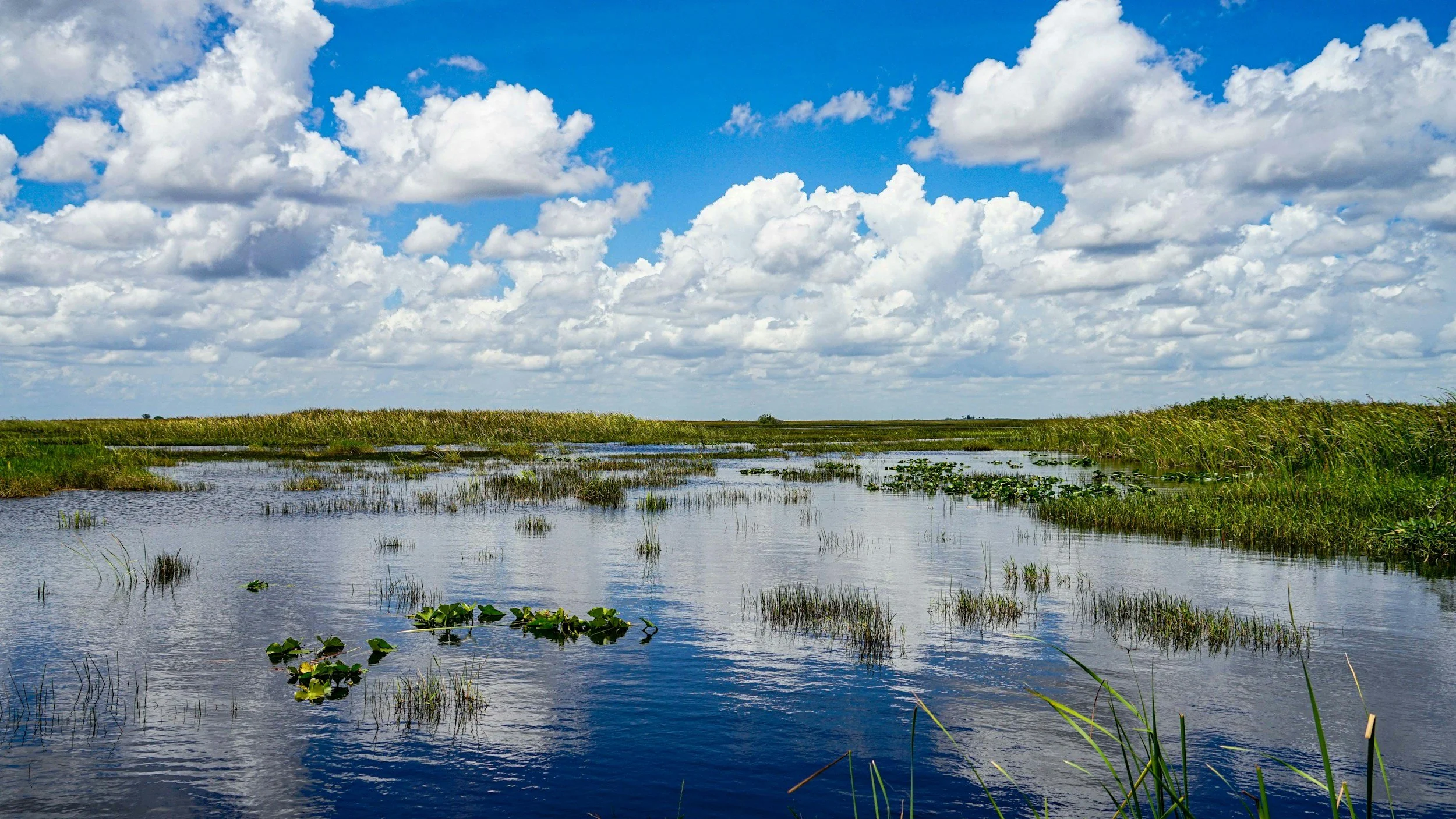
Freshwater Marshes: Store carbon for a very long time.
• Grows slowly
• Store carbon deep in the soil for hundreds of years

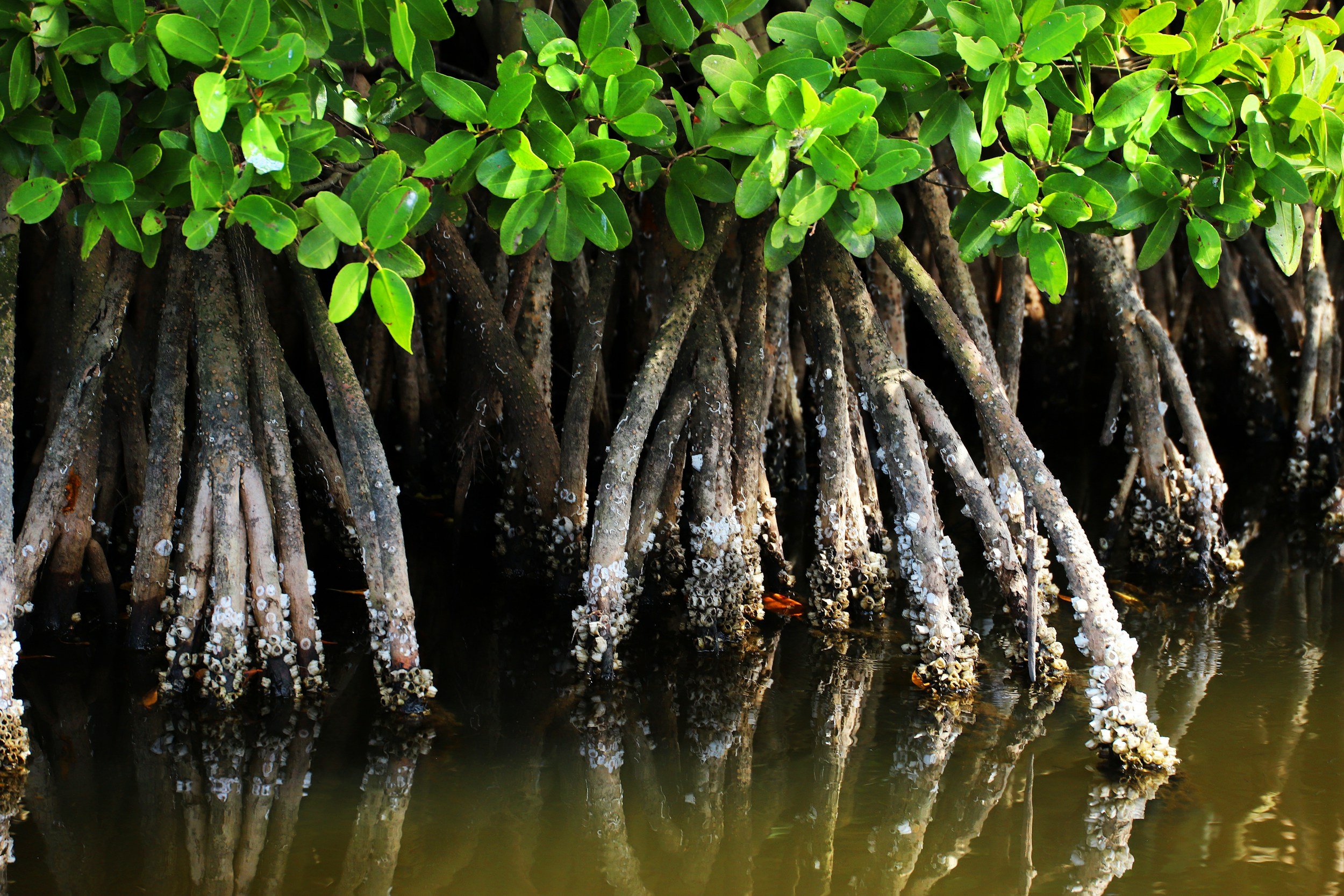
Mangrove Forests: Capture carbon quickly
· Grows quickly
· Capture carbon fast in their trees and roots

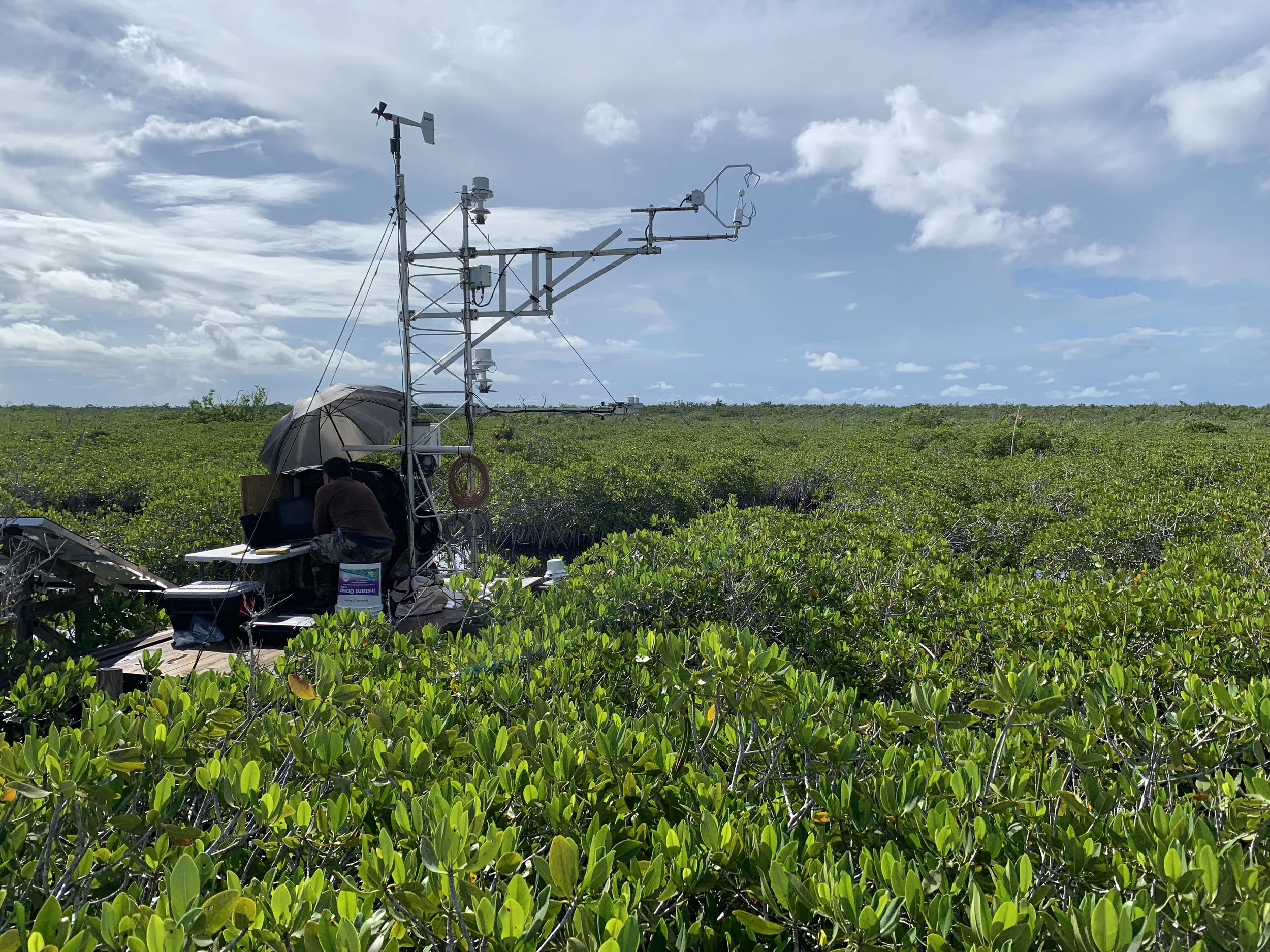
Science in the Everglades
Scientists measure carbon in the water, plants, soil, and air to understand how well the ecosystem is collecting and storing carbon — an indication of ecosystem health.
Photo: Scientists download data from a flux tower in a young mangrove forest in the Everglades. Flux towers measure the exchange of carbon between ecosystems and the atmosphere | Credit: Troxler Lab at FIU
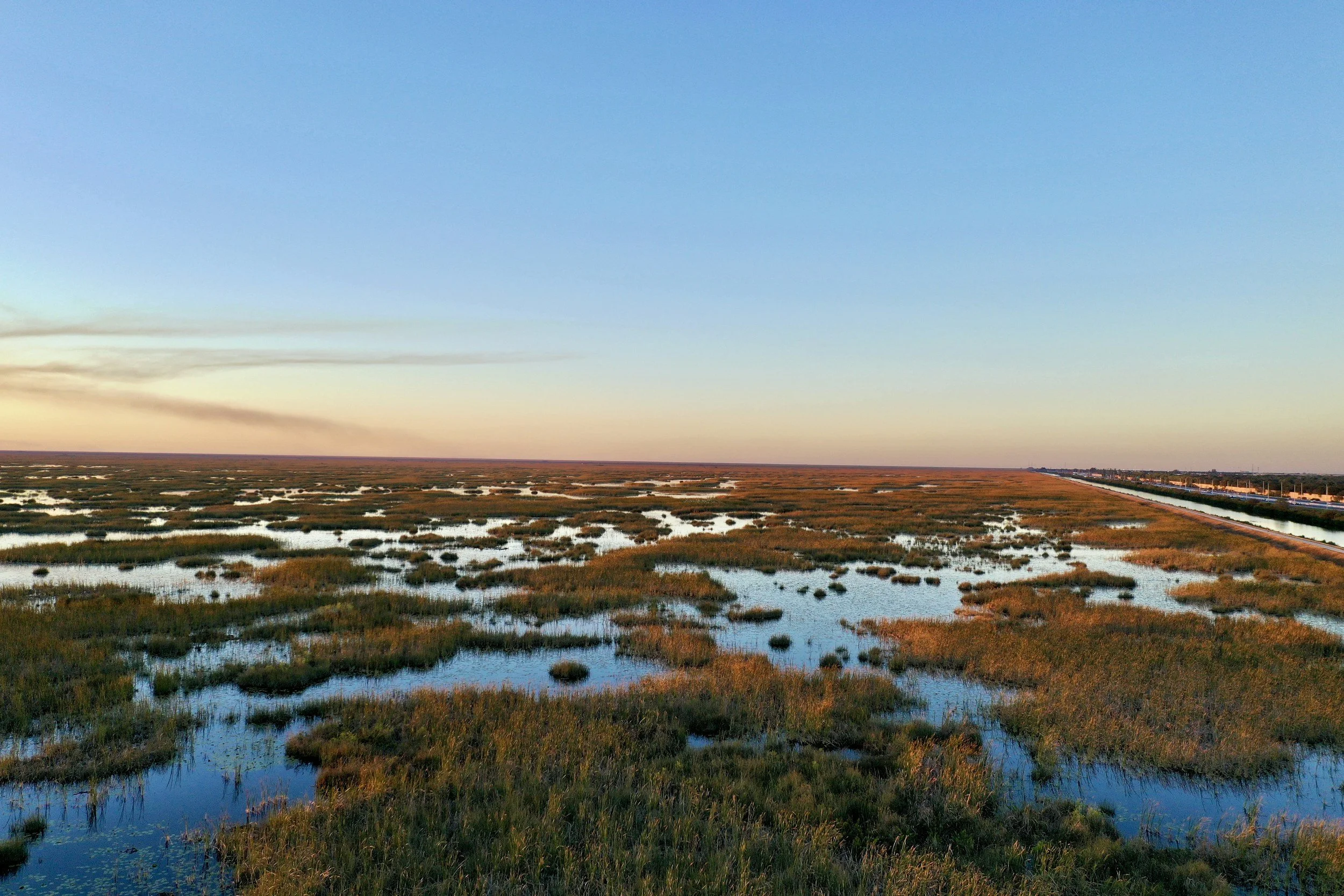
Building a resilient ecosystem
In places like the Everglades, scientists and park managers are working together to understand how ecosystems work and what we can do to protect them.

Learn more about the science happening in the Everglades to understand carbon storage