Science in the Everglades
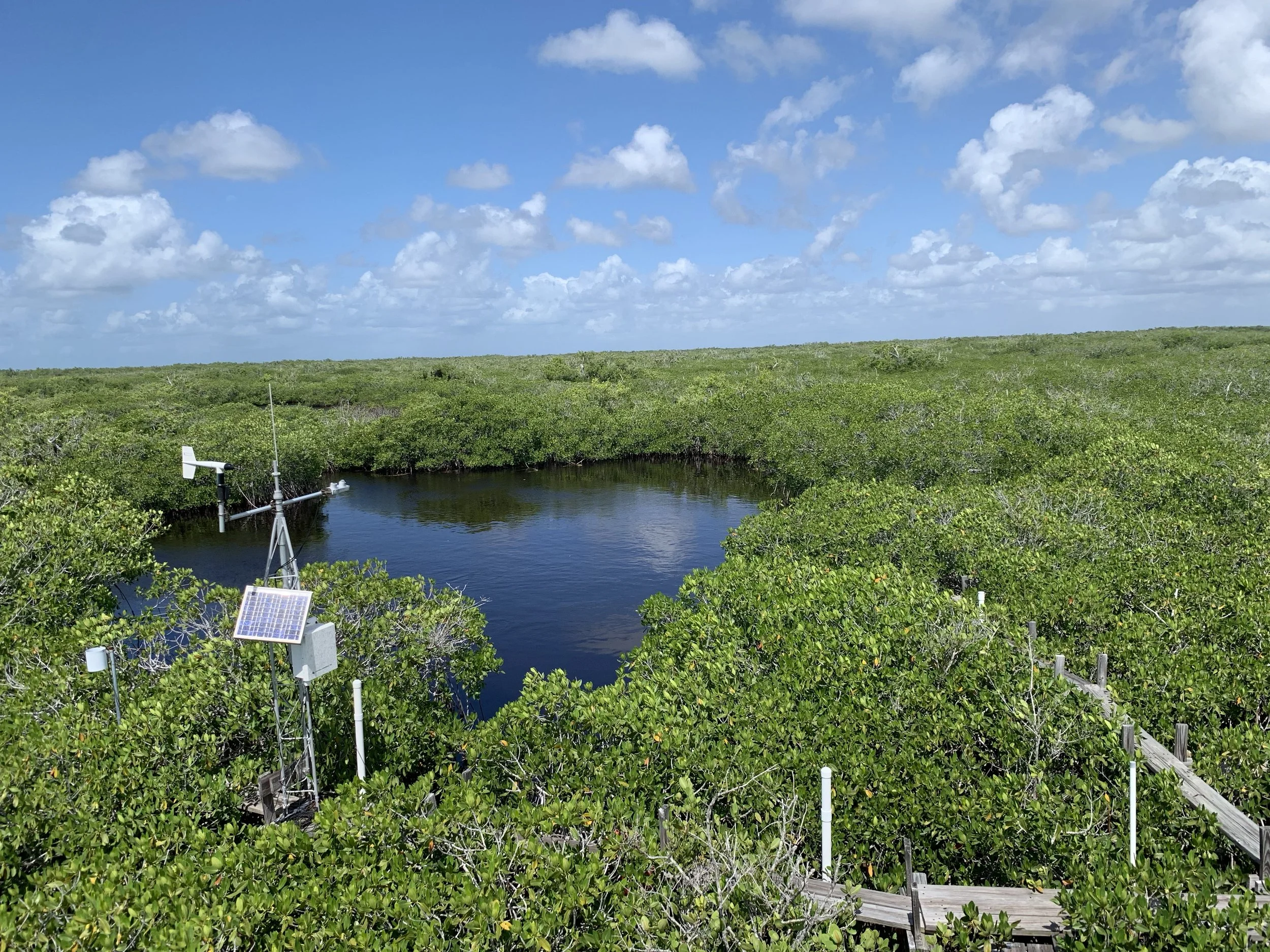
Scientists measure carbon in the water, plants, soil, and air to understand how well ecosystems are adapting to climate change.
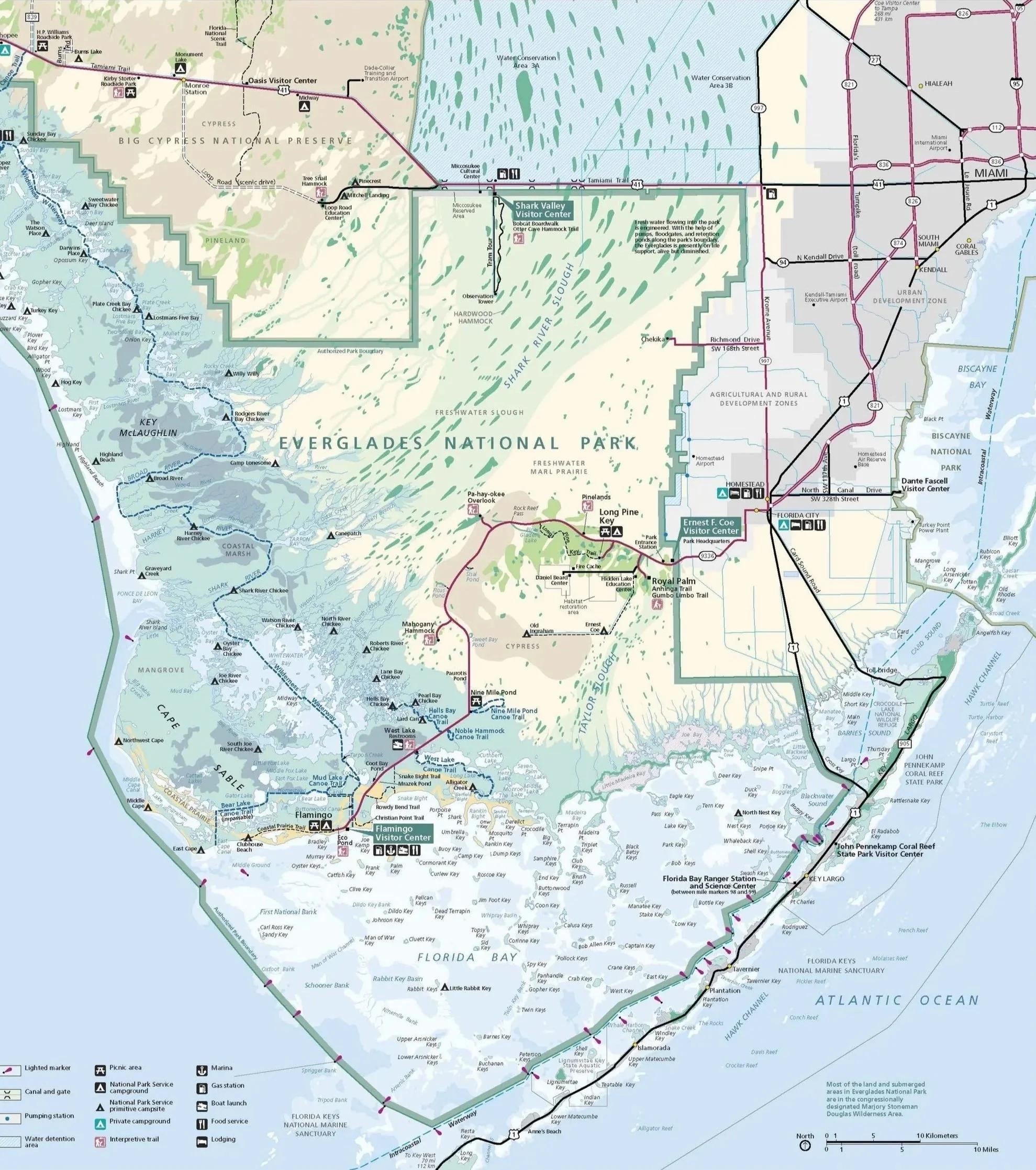
Field sites
Study Site Location:
Freshwater Marsh
Taylor Slough


Study Site Location:
White Zone Project
Joe Bay
Meet the Scientists studying carbon in the Everglades
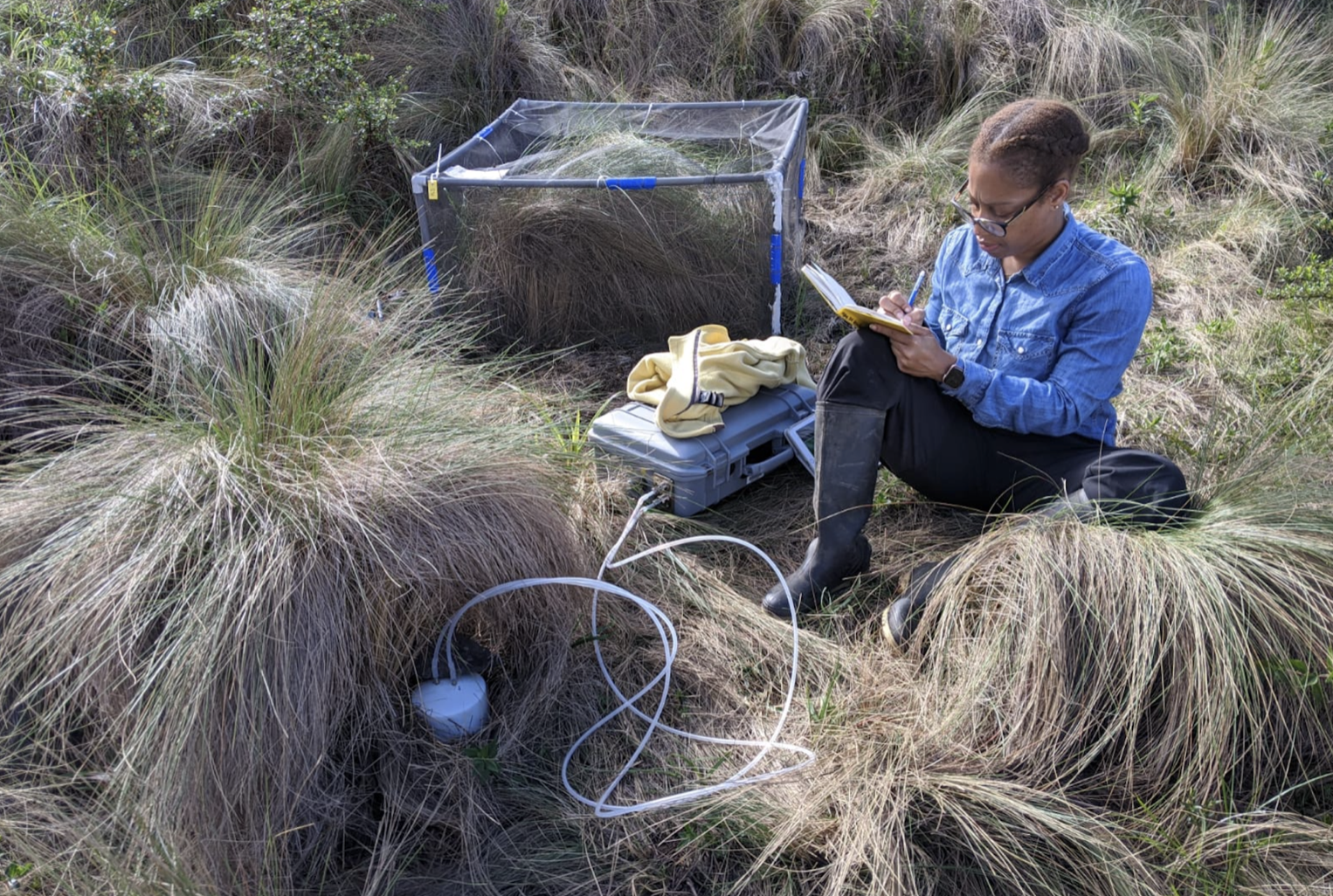
Dr. Sparkle Malone
Sparkle obtained her PhD from the University of Alabama in 2014, where she studied the carbon fluxes in subtropical wetland ecosystems.
She then worked for the USDA Forest Service at the Rocky Mountain Research Station from 2014-2017 and at Florida International University (FIU) from 2017- 2022. At FIU, she established the Malone Disturbance Ecology Lab. Her primary research focused on improving our understanding of how climate and disturbance regimes influence spatial and temporal variability in ecosystem structure and function. She explores questions related to ecosystem conditions, sustainability, and vulnerability to climate extremes using remote sensing and eddy covariance.
In the fall of 2022, she joined the Yale School of the Environment (YSE) and the Yale Center for Natural Carbon Capture (YCNCC).
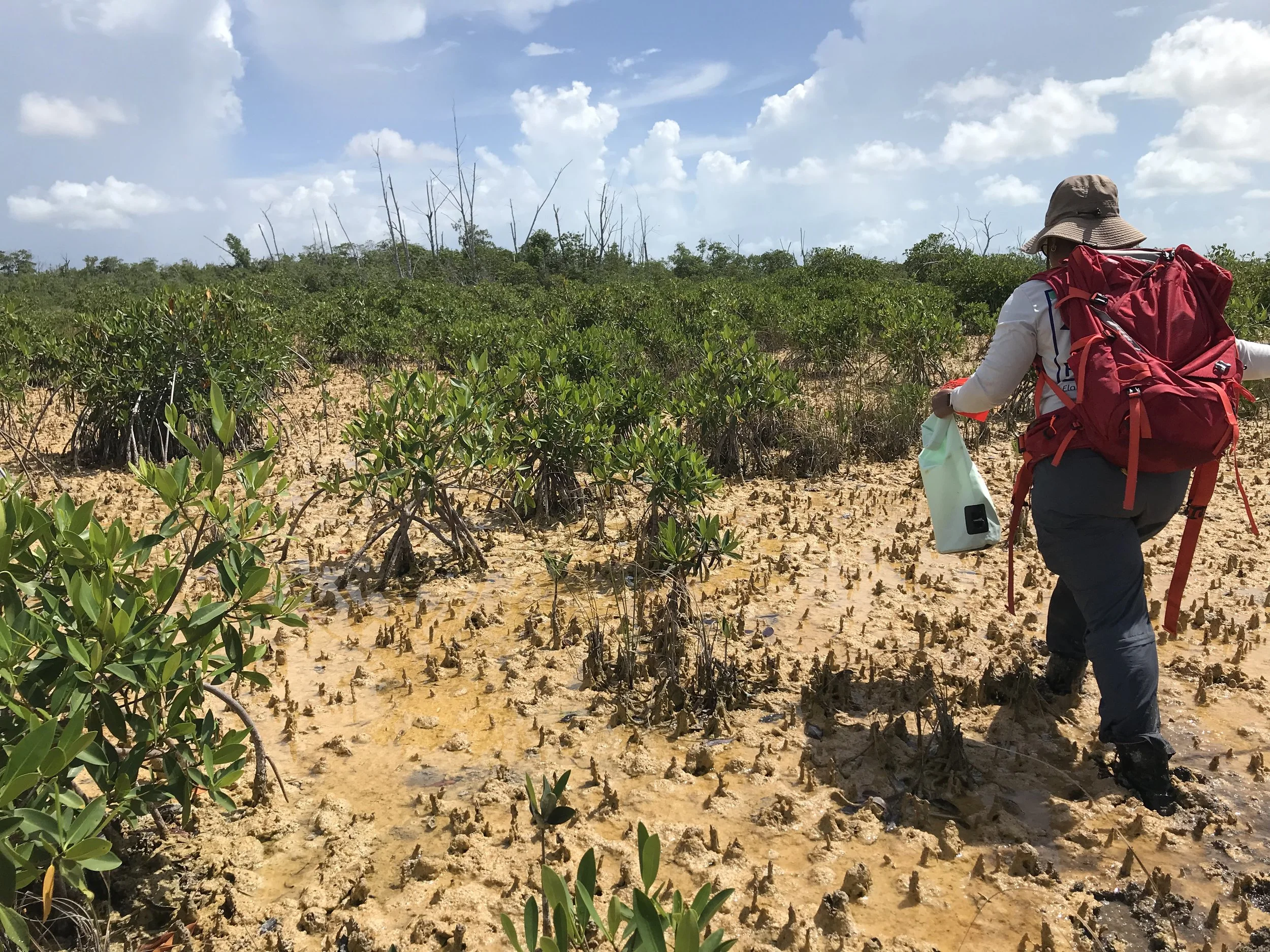
Dr. Fred Sklar
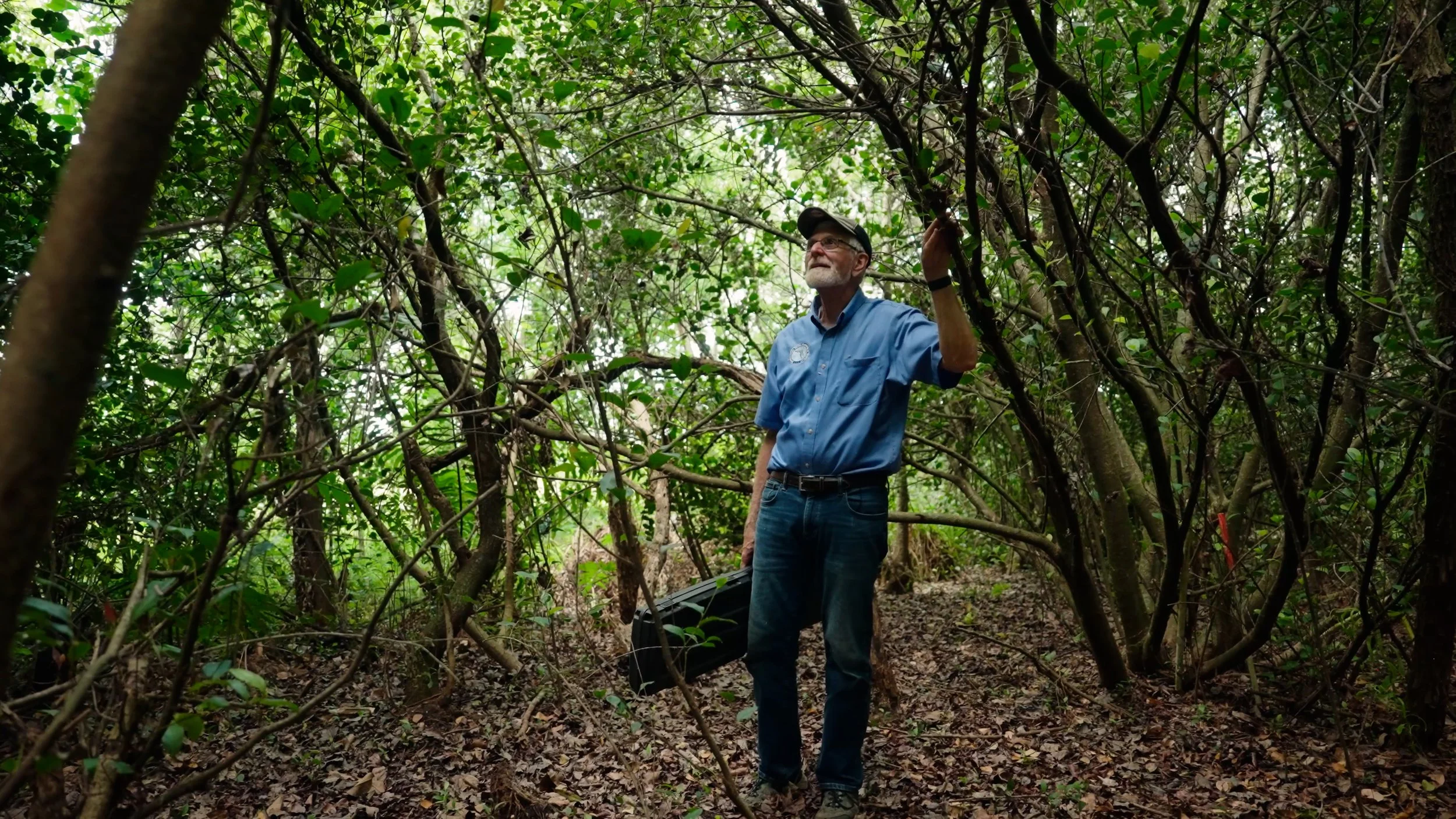
Fred is the Everglades Ecosystems Assessment Section Director at the South Florida Water Management District.
He holds a master's degree in Oceanography and a Ph.D. in Wetland Ecology. He has been studying, evaluating, and managing coastal and freshwater ecosystems for the United States since 1976.
As part of Dr. Sklar's research, the Willoughby Expedition searches for Florida apple snail eggs in the Everglades. The Florida apple snail is the only food source for the endangered Snail Kite. By studying where apple snails live, scientists can learn more about the health of the Everglades and find ways to protect both the snails and the birds that depend on them.

Tracking Carbon Through the Seasons
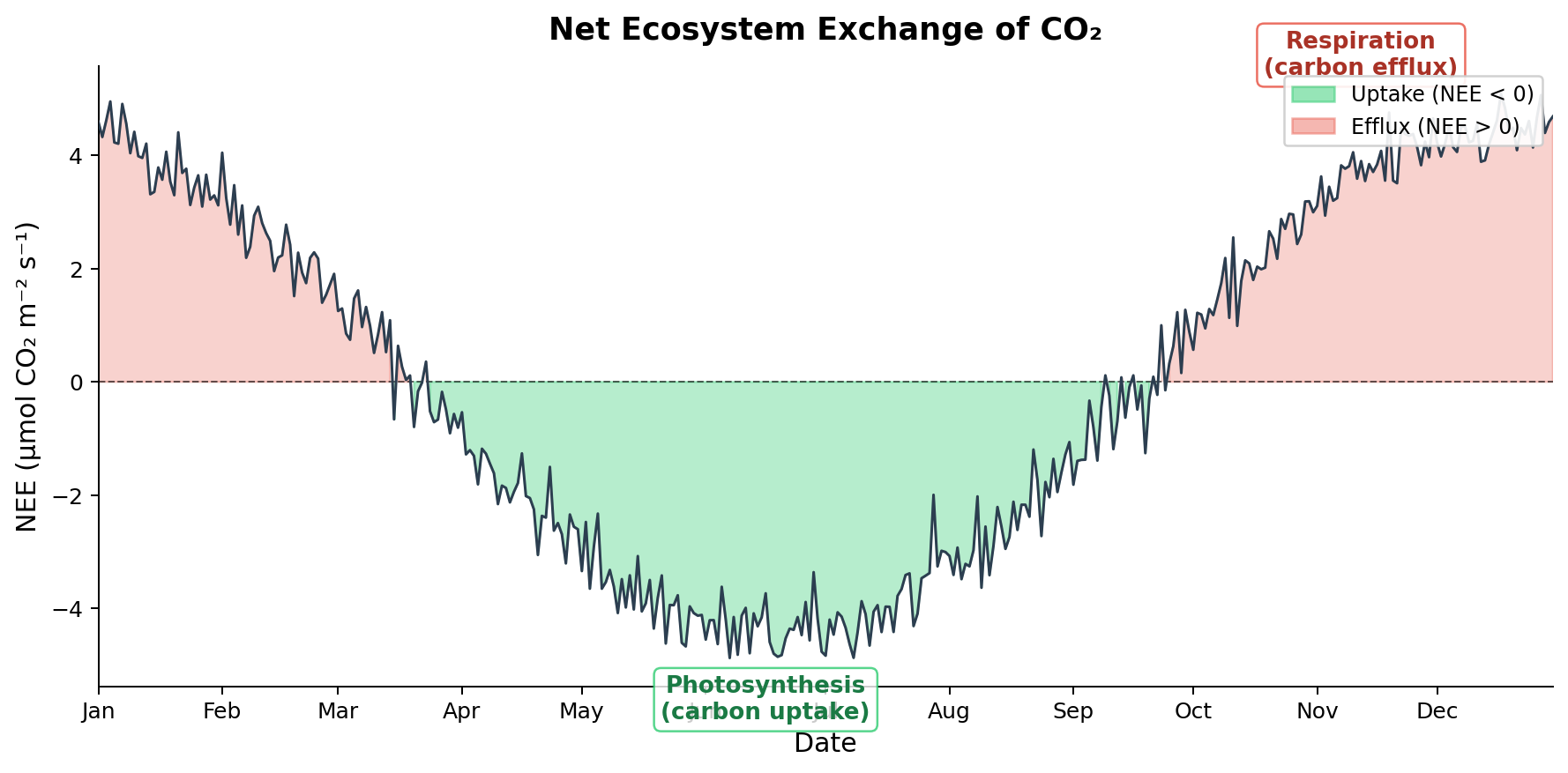
Scientists can watch ecosystems breathe in real time
This graph shows how carbon moves into and out of an ecosystem throughout the year.
In the spring and summer, plants grow quickly and take in more carbon dioxide from the air. In the fall and winter, plants grow less and more carbon is released back into the air. By measuring these patterns year after year, scientists can see how ecosystems are changing and learn how to protect places like the Everglades.

Learn more about how scientists and park managers are working together for a resilient Everglades ecosystem.