
Ecosystems Change Over Time
Resilience in Action
Through fieldwork, experiments, and long-term monitoring, scientists study how rising sea levels are reshaping Everglades ecosystems and what that means for carbon storage and resilience.

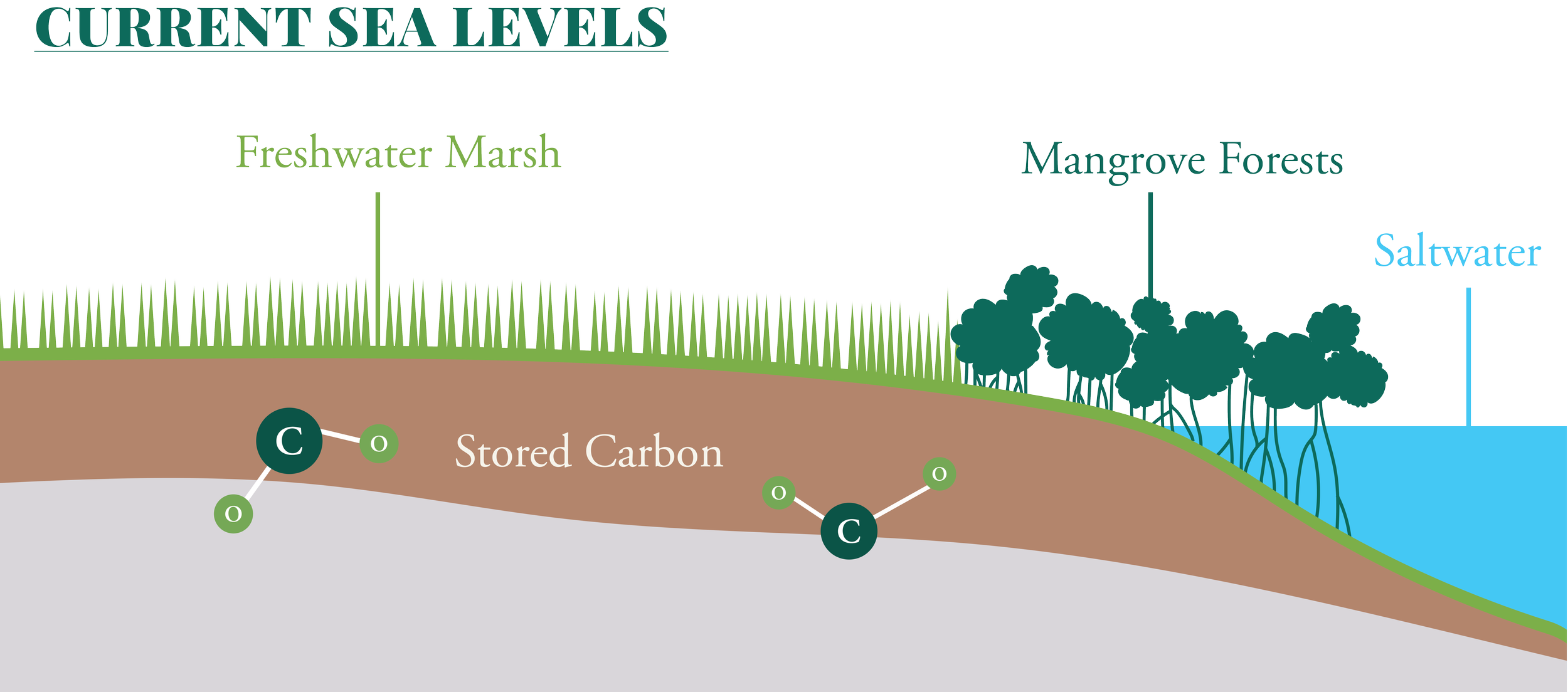
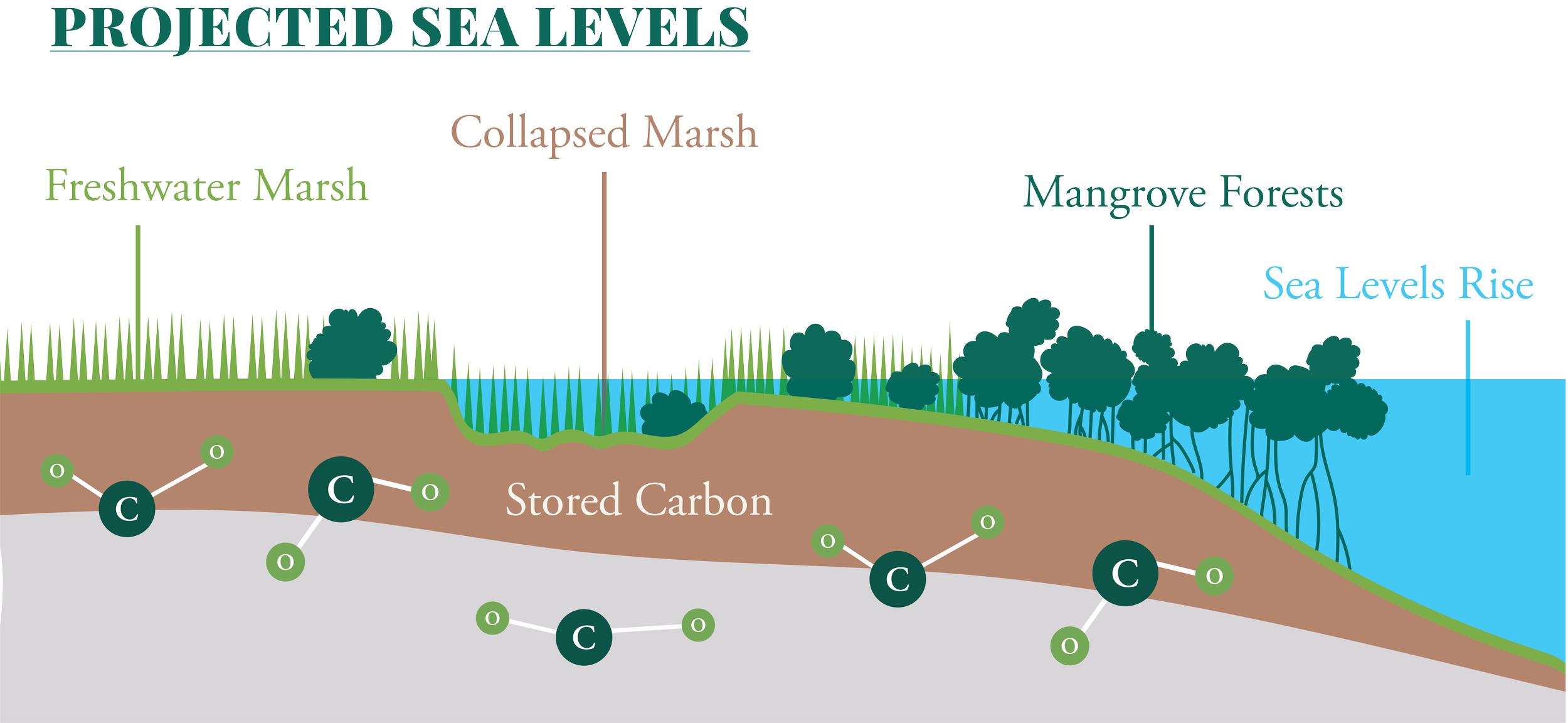


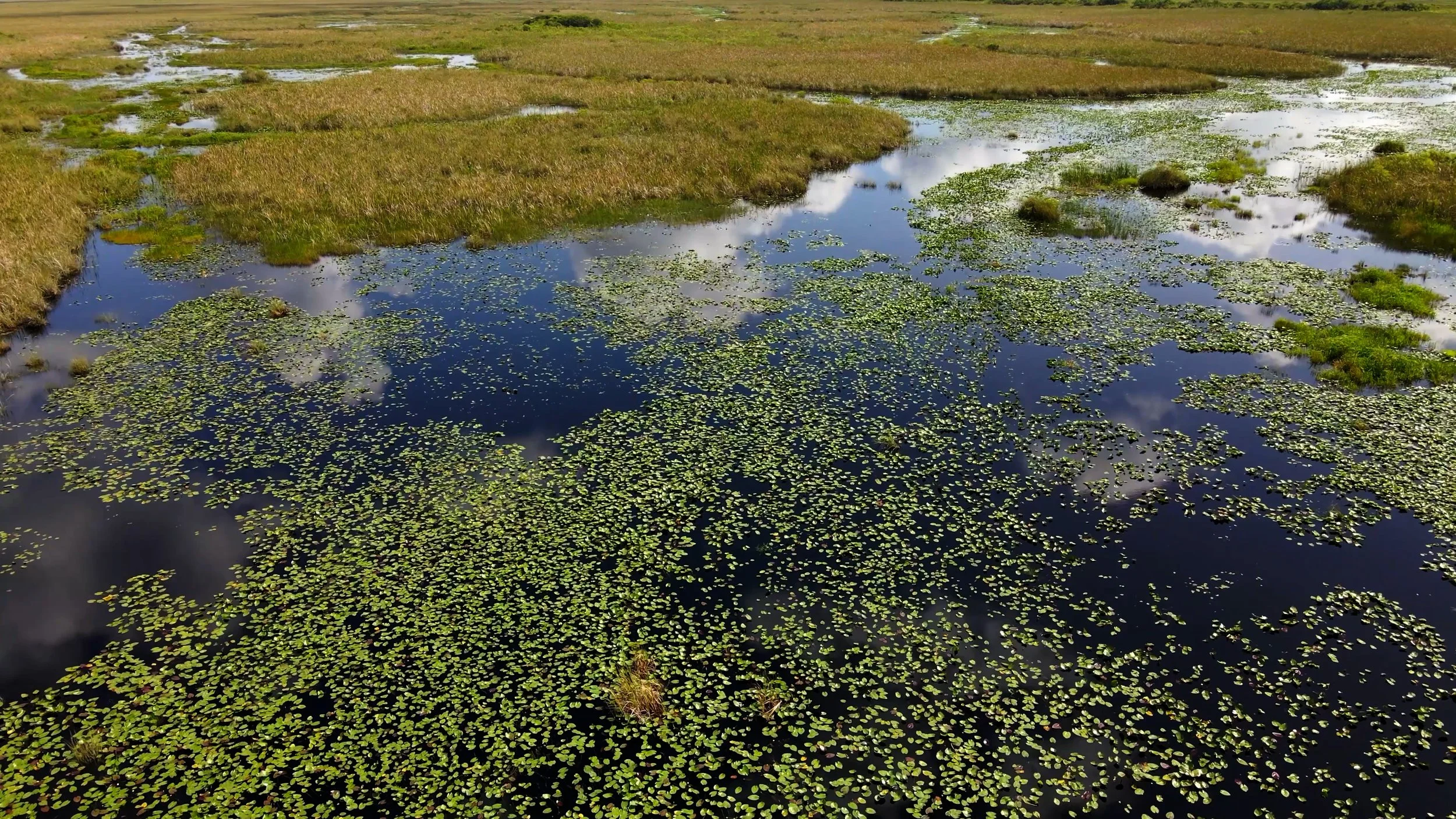
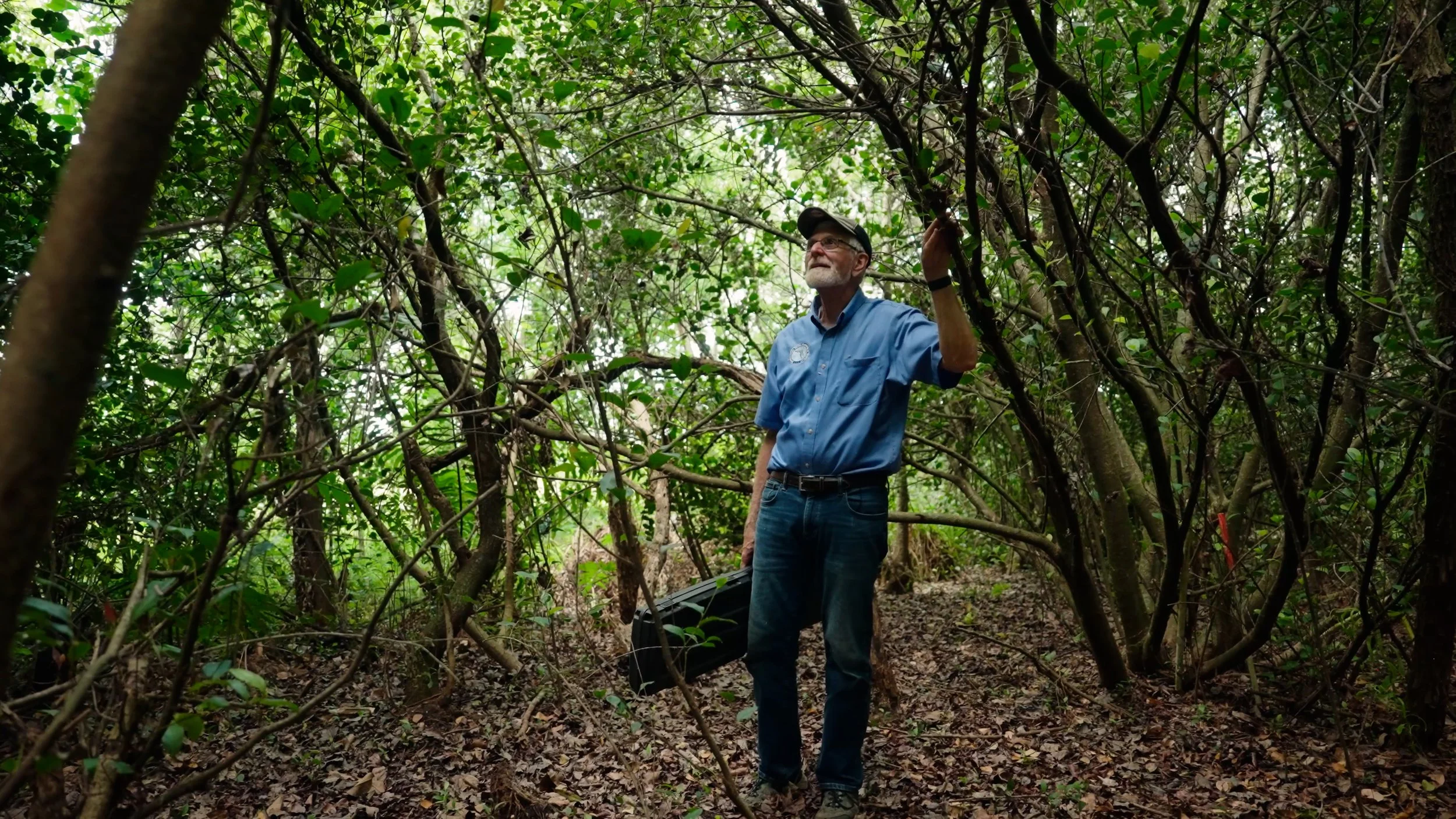
As sea levels rise, freshwater ecosystems in the Everglades are becoming mangrove forests.
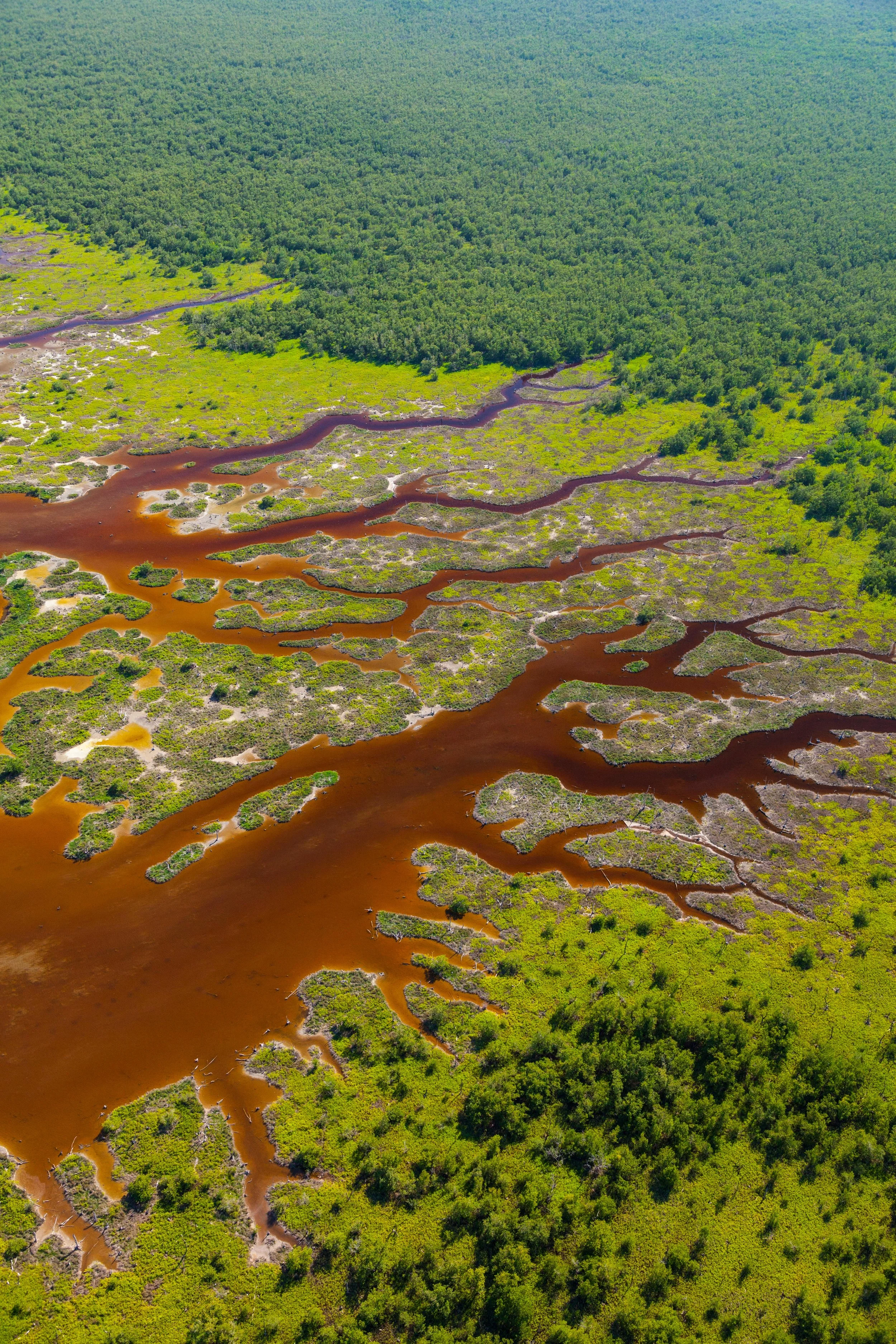
Mangroves can tolerate salty water, so they are able to grow in places where freshwater marshes once thrived. Although this changes the landscape, mangrove forests continue to capture and store carbon in their trees and roots. Transitioning to mangrove forests can help the Everglades adapt and continue to function.


Building a resilient Everglades means maintaining rich, biodiverse landscapes that can adapt to current and future conditions.
Watch the film
Flow of the Everglades
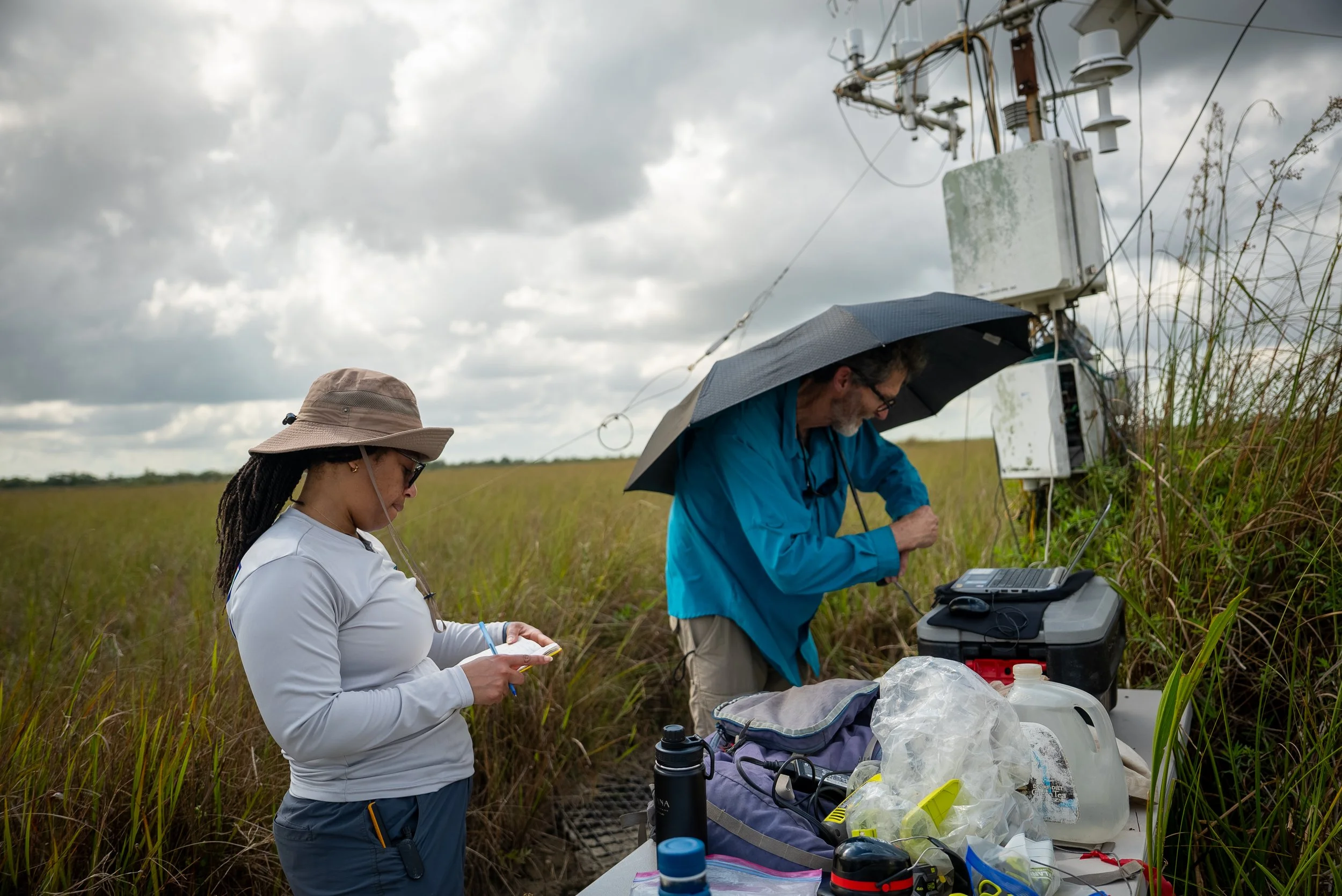
Flow of the Everglades follows two ecosystem scientists: Dr. Fred Sklar at the South Florida Water Management District and Dr. Sparkle Malone, an ecosystem ecologist at Yale University who studies how carbon and methane move through wetland systems. The film highlights how collaboration among researchers and park managers is helping guide the future of the Everglades.
In the film, Dr. Malone reminds us that resilience is about more than just holding the line. “Everything is changing,” she says. “We want ecosystems to have the ability to change, too.”


Thanks for learning about Everglades ecosystems and resilience. To start over, head back to the home page
